
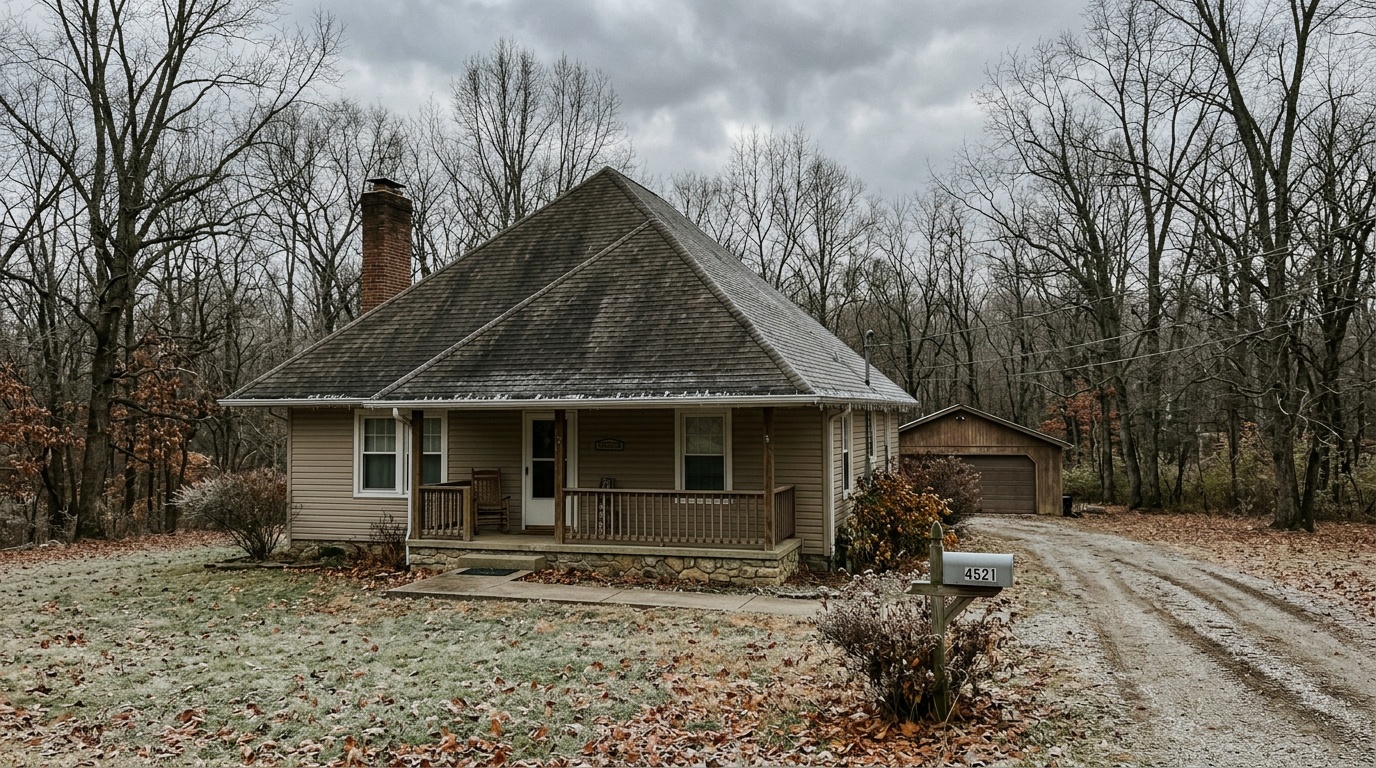
Winter roof preparation in Kentucky is one of the most important—and most overlooked—tasks a homeowner can tackle before temperatures drop. Kentucky winters are unpredictable: a mild December can give way to a January ice storm that leaves your roof buried under inches of freezing rain, then a February thaw that sends all that water running in directions you never expected. If your roof isn't ready, that freeze-thaw cycle can turn small, fixable problems into costly structural damage. Here's what you need to know to protect your home before cold weather sets in.
Why Winter Roof Preparation in Kentucky Is Different From Other States
Kentucky sits in a climate zone that gets the worst of multiple weather patterns. Unlike northern states that deal with consistent heavy snowfall, or southern states that rarely see ice, Kentucky homeowners face a mix of heavy rain, sleet, ice storms, and occasional significant snowfall—sometimes all in the same week. This variability puts unique stress on roofing systems.
The most damaging phenomenon for Kentucky roofs in winter is the freeze-thaw cycle. Water from rain or melting snow seeps into tiny cracks in shingles, flashing, or around penetrations like vents and chimneys. When that water freezes overnight, it expands, widening the crack. When it thaws the next day, more water gets in. Repeat this dozens of times over a winter and you can end up with significant water intrusion, damaged decking, and even mold growth in your attic—all from what started as a hairline crack you never noticed in the fall.
Ice dams are another Kentucky-specific concern. They form when heat escaping through a poorly insulated attic melts snow on the upper portion of the roof. That water runs down toward the eaves, which are colder and don't benefit from the escaping heat, and refreezes. The resulting ice dam traps water against the roof surface, forcing it under shingles and into your home. You don't need mountains of snow for ice dams to form—a few inches is enough if your attic insulation is inadequate.
Key Steps for Winter Roof Preparation in Kentucky
The good news is that most winter roof problems are preventable with a bit of attention in September and October. Here's a practical checklist to work through before the first hard freeze.
- Inspect your shingles. Look for missing, cracked, curling, or blistering shingles. Any shingle that isn't lying flat and intact is a potential entry point for water. Pay special attention to the valleys of your roof—where two roof planes meet—because water concentrates there and any weakness gets exploited fast in winter.
- Check your flashing. Flashing is the metal that seals transitions between your roof and features like chimneys, skylights, vent pipes, and dormers. Flashing can loosen, rust, or separate from the surface it's sealing. Even a small gap here can let in significant amounts of water over a winter season.
- Clear debris from the roof surface. Leaves and branches that pile up on your roof hold moisture against shingles and accelerate deterioration. After the trees finish dropping their leaves in your area—typically late October to early November in Kentucky—do a final clear of the roof surface and valleys.
- Inspect and clean your gutters and downspouts. Gutters clogged with leaves and debris can't drain properly. When water backs up in a clogged gutter and freezes, the added weight can pull gutters away from the fascia and cause damage. Ensure downspouts are directing water at least four to six feet away from your foundation.
- Assess your attic insulation and ventilation. This is the most impactful thing you can do to prevent ice dams. A properly insulated and ventilated attic keeps the roof deck cold and uniform in temperature, so snow melts evenly rather than pooling and refreezing at the eaves. If your heating bills have been climbing or you've seen ice dams before, it's worth having a professional evaluate your attic.
- Trim overhanging branches. Heavy ice and snow can snap large branches onto your roof. Before winter, trim back any branches that hang directly over your roof surface. This also reduces the leaf and debris load during the season.
- Look at your caulking and sealants. Around vent pipes, skylights, and other penetrations, caulking can dry out and crack over time. A quick visual inspection and re-caulk where needed is a low-cost way to prevent leaks.
Warning Signs Your Roof May Not Survive the Winter
Some roofs need more than routine prep—they need repair or replacement before winter arrives. Knowing the warning signs can save you from a much more expensive situation in January.
Granules accumulating in your gutters are a sign that shingles are nearing the end of their life. Those granules protect the asphalt layer underneath from UV and moisture; once they're gone, shingles deteriorate rapidly. If your gutters are filling with granule runoff, winter is not the time to put off a professional assessment.
Sagging anywhere on the roof deck—visible as a dip or wave in the roofline—indicates structural issues that snow and ice load will make significantly worse. This is not a wait-and-see situation. A sagging roof deck can collapse under the weight of a heavy ice storm.
If you had any leaks during last spring's rain season, even minor ones, do not assume they've resolved on their own. Water stains on your ceiling or in your attic mean there is already a path for water to enter. That same path will be exploited aggressively during winter's freeze-thaw cycles.
Age is also a factor. If your roof is approaching 20 years old and hasn't been inspected recently, the safest approach is a professional evaluation before winter. Many Kentucky homeowners discover that their roof is actually in better shape than they feared—but it's far better to know that in October than to find out the hard way in February.
What a Professional Winter Roof Inspection Covers
A professional inspection goes well beyond what most homeowners can safely see from the ground or from a ladder. A qualified roofing contractor will inspect the condition of every shingle field, check all flashing points for integrity, probe the roof decking for soft spots that indicate moisture damage, and assess the attic for proper insulation depth and ventilation performance.
In Kentucky, it's also worth discussing storm damage history with your contractor. If your home was in the path of a hail or wind storm at any point in the last few years, there may be damage present that isn't obvious but that will be significantly worsened by winter conditions. A professional can identify impact damage on shingles and advise whether an insurance claim is worth pursuing before the existing damage compounds.
The goal of a fall inspection isn't to sell you a new roof—it's to give you an honest picture of where your roof stands so you can make informed decisions. Most of the time, the answer is a few targeted repairs and some maintenance. Occasionally, it's a recommendation to replace before winter rather than deal with mid-winter failures. Either way, you're better off knowing.
Don't wait until you're watching water drip through your ceiling during a January ice storm to address your roof's condition. Taking action now is faster, safer, and far less expensive than emergency repairs in freezing temperatures. Schedule a Free Inspection with Pro4mance Roofing & Home Improvements today, and head into winter with confidence that your roof is ready for whatever Kentucky's weather throws at it.