Roof flashing problems are one of the most common — and most overlooked — causes of water damage in Kentucky homes. Flashing is the thin metal material that seals the joints and transitions on your roof, and when it fails, water can work its way into your attic, walls, and ceilings long before you notice a single stain. Understanding the warning signs of failing roof flashing can save Laurel County and London homeowners thousands of dollars in preventable repairs.
What Is Roof Flashing and Why Does It Matter?
Roof flashing is thin strips of metal — usually galvanized steel, aluminum, or copper — installed wherever your roof meets another surface or changes direction. It acts as the waterproof barrier at the spots your shingles simply cannot cover on their own. You'll find flashing around chimneys, skylights, plumbing vents, dormers, roof valleys, and along the edges where your roof meets a wall. These transition points are the most vulnerable spots on any roof, because water naturally flows toward them and collects there. Even a small gap or crack in the flashing can allow steady moisture intrusion that causes rot, mold, and structural damage over time.
What Are the Most Common Roof Flashing Problems in Kentucky?
Kentucky's climate — with its freeze-thaw cycles, heavy spring rains, and summer storms — puts flashing under significant stress year after year. The most common flashing failures local contractors see include:
- Separated or lifted flashing. Temperature swings cause metal to expand and contract repeatedly, eventually loosening the flashing from the surface it seals. This is especially common around chimneys and skylights.
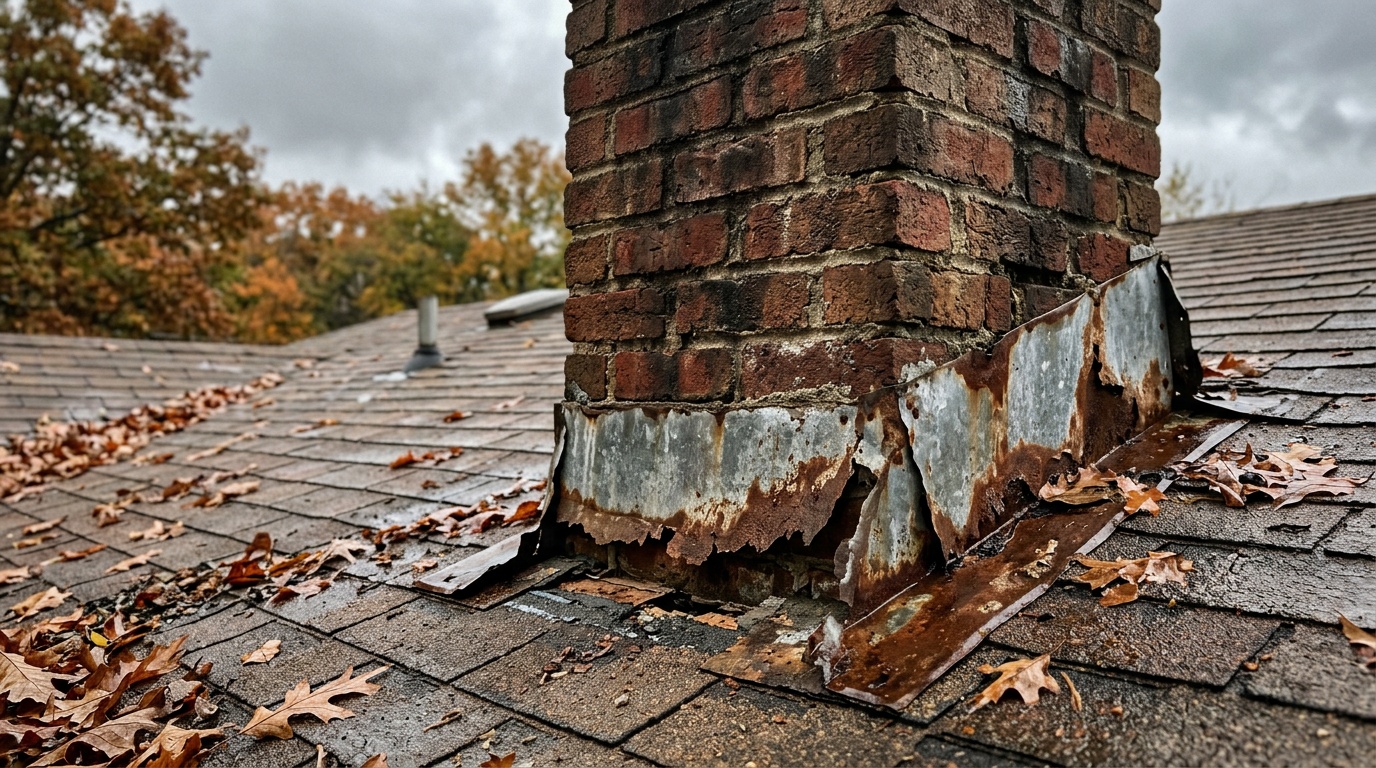
- Corroded or rusted flashing. Galvanized steel flashing that has reached the end of its lifespan will rust through, creating small holes that let water in. Older homes in London and throughout Laurel County often have original flashing that has never been replaced.
- Improperly installed step flashing. Step flashing is the overlapping pieces installed along a wall or dormer. If any piece was installed incorrectly — or if one piece works loose — water channels right behind the siding and into the wall cavity.
- Failed caulk or sealant. Some contractors use caulk or roofing tar as a substitute for proper flashing. These materials shrink, crack, and fail within a few years, leaving gaps that look sealed but aren't.
- Valley flashing damage. Roof valleys — where two roof planes meet — carry a large volume of water during heavy rain. Damaged or worn valley flashing is a frequent source of leaks that are often misdiagnosed as a shingle problem.
How Can I Tell If My Roof Flashing Is Failing?
The clearest sign is a water stain on your ceiling or wall near a chimney, skylight, or exterior wall — but flashing failures often give earlier, subtler clues worth knowing. Inside your home, look for staining or discoloration on the ceiling near any penetration point, peeling paint on interior walls adjacent to a chimney or dormer, and musty odors in rooms below the roof line. In your attic, look for daylight visible around vent pipes or along wall intersections, as well as dark water staining on the rafters or sheathing. Outside, you can sometimes spot lifted, bent, or missing flashing sections during a visual inspection from the ground — especially around the chimney base and along any rakes or valleys. If you're not comfortable on a ladder or the pitch of your roof is steep, a free roof inspection from a qualified contractor is the safest way to get a clear picture of your flashing's condition.
Is Roof Flashing Repair a DIY Job?
Most flashing repairs are best left to a professional — the work is more complex than it looks, and an improperly sealed joint can make the problem worse. Replacing chimney flashing, for example, involves removing and resetting the counterflashing embedded in the chimney mortar joints, then correctly layering the base flashing underneath. A misstep in that sequence, or the wrong material choice, can create new leak paths. Applying roofing tar over failing flashing — a common DIY patch — typically delays the problem by a season or two at most before failing again. For straightforward repairs like re-sealing a small section of step flashing that has simply lifted, a confident homeowner with the right materials and safe roof access might manage the job. But if the flashing is corroded, if the leak source isn't clear, or if the repair involves a chimney, skylight, or valley, calling a licensed roofing contractor is the right call. When flashing failure is caught early, it's usually a relatively affordable roof repair. Left too long, the water damage it causes can turn into a much larger project.
How Does Flashing Relate to a Full Roof Replacement?
When you replace your roof, all of the flashing should be replaced at the same time. This is an important point to confirm with any contractor you hire. Some contractors will re-use existing flashing to cut costs, but flashing that has been in place for 20 or 30 years — even if it looks intact — is at or near the end of its reliable service life. Installing new shingles over old, brittle flashing is a setup for a new leak within just a few years. Ask your contractor explicitly whether new flashing is included in their roof replacement proposal. A complete replacement should also include an assessment of any underlying rot or sheathing damage that years of slow flashing leaks may have caused. Homeowners in London and across Laurel County who are getting multiple bids on a replacement should compare whether flashing replacement is specifically itemized — it's a meaningful difference in quality and long-term performance.
Does Homeowners Insurance Cover Flashing Damage?
It depends on the cause. Flashing damage caused by a covered peril — a windstorm, hail event, or falling tree branch — is generally eligible for an insurance claim. Flashing that has simply corroded or separated due to age and normal wear is typically considered a maintenance issue and is not covered. If you've had a recent storm and you're seeing new leaks, it's worth having your roof inspected for storm-related flashing damage before filing. Document what you find with photos and dates. Keep in mind that under Kentucky law, a roofing contractor cannot negotiate your claim on your behalf or waive your deductible — you'll file the claim directly with your insurance company, and the contractor's role is to document the damage and perform the approved repairs.
Frequently Asked Questions
How long does roof flashing typically last? Most metal flashing lasts 15–30 years depending on the material and climate conditions. Copper flashing tends to last the longest, while galvanized steel has a shorter lifespan, especially in areas with heavy rainfall like Laurel County, Kentucky.
Can bad flashing cause mold in my home? Yes. A slow flashing leak that goes undetected can saturate wood framing and insulation, creating the persistent moisture that mold needs to grow. If you've had a long-standing roof leak, have your attic and wall cavities inspected for mold alongside the roof repair.
Should I repair flashing or replace my whole roof? If your shingles are still in good condition and the rest of the roof is sound, a targeted flashing repair makes sense. If the shingles are nearing the end of their lifespan or the roof has multiple problem areas, a full roof replacement — with all new flashing — is often the more cost-effective long-term solution.
If you're seeing signs of a leak or you haven't had your flashing inspected in several years, don't wait for the damage to show up on your ceiling. The team at Pro4mance Roofing & Home Improvements serves London, Corbin, and the surrounding counties and can assess your flashing and full roof condition at no charge. Schedule a Free Inspection today and get a clear, honest picture of what your roof needs.