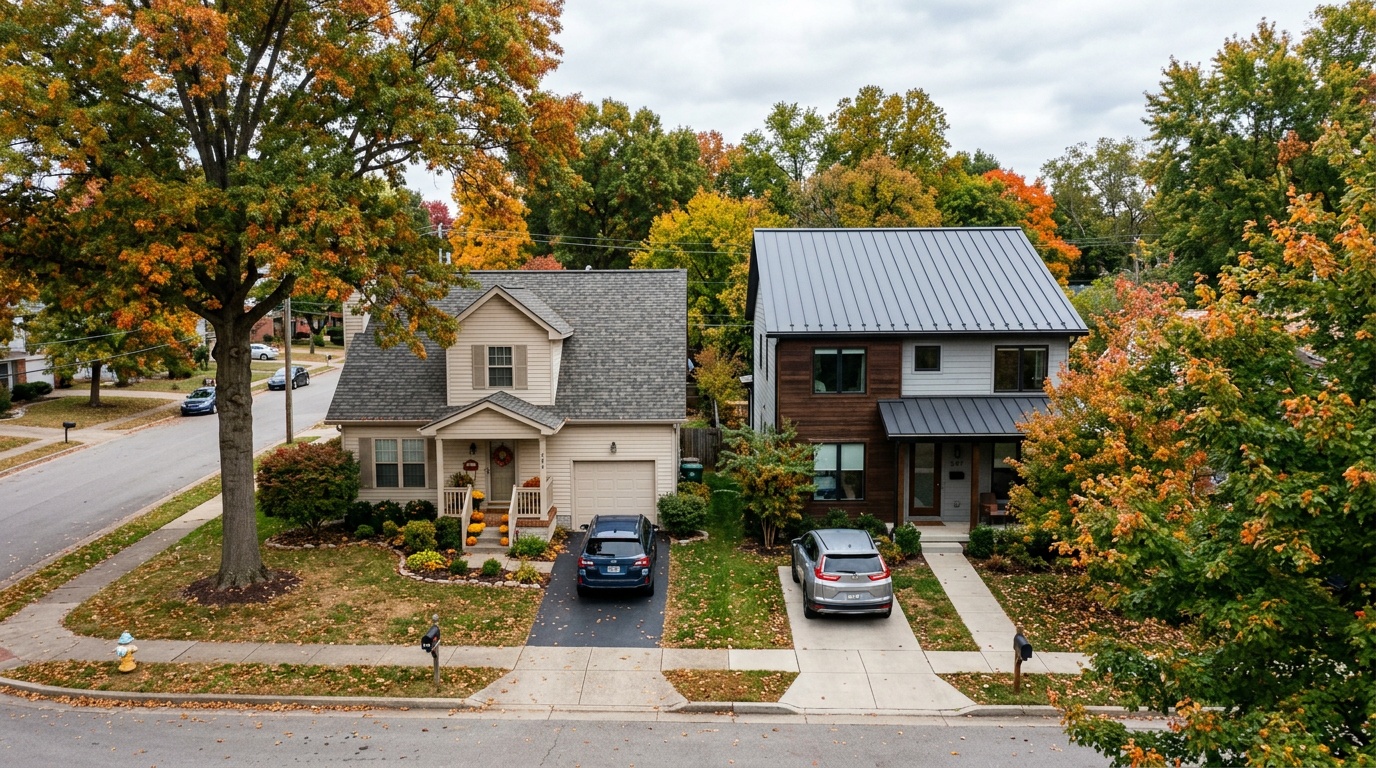
When it comes to choosing between asphalt shingles and metal roofing for a Kentucky home, both materials can perform well — but the right choice depends on your budget, your home's design, and how long you plan to stay in the house. Asphalt shingles cost less upfront and are the most common choice across Laurel County, while metal roofing carries a higher initial price tag but typically lasts two to three times longer. Understanding the real trade-offs helps you make a decision you won't regret after the next big storm rolls through.
What Are the Main Differences Between Asphalt Shingles and Metal Roofing?
The two materials differ most in lifespan, upfront cost, and how they handle Kentucky's weather extremes. Asphalt shingles are made from a fiberglass mat coated in asphalt and ceramic granules; they're affordable, widely available, and straightforward to install or repair. Metal roofing — whether standing-seam panels or metal shingles — is made from steel, aluminum, or occasionally copper, and is engineered to shed water, resist wind, and reflect heat far more effectively than asphalt.
- Lifespan: Architectural asphalt shingles typically last 20–30 years in Kentucky's climate. Quality metal roofing systems are generally rated for 40–70 years.
- Upfront cost: Asphalt shingles run roughly $4,000–$10,000 for a typical Kentucky home; metal roofing installations commonly range from $12,000–$25,000 or more depending on material and roof complexity.
- Maintenance: Asphalt requires periodic inspections and occasional shingle replacement, especially after hail or wind events. Metal requires very little ongoing maintenance but benefits from regular gutter cleaning and inspection of fasteners or seams.
- Repairability: Individual asphalt shingles are easy and inexpensive to replace. Metal panels can be repaired, but matching older panels can sometimes be a challenge.
How Does Kentucky's Climate Affect Each Roofing Material?
Kentucky's weather puts real stress on roofs, and the climate around London and Laurel County is no exception — homeowners here deal with hot, humid summers, ice and snow in winter, and severe thunderstorms that bring hail and high winds year-round. Each material handles these conditions differently.
Asphalt shingles can be vulnerable to granule loss from repeated hail impacts, which shortens their effective life and can void manufacturer warranties. They also expand and contract with temperature swings, which over many years can cause cracking or curling at the edges. On the positive side, modern impact-resistant (Class 4) asphalt shingles are specifically designed for hail-prone regions and can even earn homeowners a discount on their insurance premiums — worth asking your insurer about.
Metal roofing handles Kentucky's freeze-thaw cycles exceptionally well because it doesn't absorb water. It's also highly wind-resistant, with many systems rated for winds over 120 mph. Hail can dent thinner metal panels cosmetically, though it rarely causes a functional failure the way it can with asphalt. If you're considering an upgrade after storm damage repair, metal is worth a close look. One consideration: metal roofs can be louder during heavy rain, though proper insulation and solid roof decking minimize this significantly.
Which Material Is More Cost-Effective Over Time?
Metal roofing almost always wins on long-term cost-per-year, but only if you stay in the home long enough to realize the savings. If an asphalt roof lasts 25 years and a metal roof lasts 50 years, you'd need two asphalt replacements over the same period — meaning the total cost of ownership can be comparable or even favor metal, especially when you factor in lower maintenance costs and potential energy savings from metal's reflective surface.
For homeowners who plan to sell within the next 10–15 years, asphalt shingles often make more financial sense. A quality roof replacement with architectural shingles adds real value and curb appeal without the premium price of metal. For long-term owners or those building a forever home, the case for metal strengthens considerably. You can explore general estimates in our roof replacement cost guide to get a clearer picture of what each option might mean for your budget.
Does One Material Hold Up Better After Hail or Wind Storms?
In storm performance, metal roofing generally has the edge, but the gap is narrower than many homeowners expect when Class 4 impact-resistant asphalt shingles are part of the comparison. Hail damage is one of the most common reasons Laurel County homeowners file roofing insurance claims, and the type of shingle on your roof at the time of impact can significantly affect both the physical outcome and your insurance conversation afterward.
With standard 3-tab or even basic architectural shingles, moderate hail can bruise or crack the surface and dislodge granules — damage that may not be immediately visible from the ground but accelerates aging. Metal panels may show cosmetic dents from large hail but rarely suffer functional damage unless the impact is severe. Either way, after any significant storm, a professional inspection is the only reliable way to know what — if anything — needs attention. A free roof inspection takes the guesswork out of the equation.
What About Aesthetics and Home Value?
Modern metal roofing has come a long way from the corrugated barn-roof look, and today's options include standing-seam panels and metal shingles that mimic slate, wood shake, or tile. In London and surrounding areas, standing-seam metal roofs have grown increasingly popular on both traditional and contemporary homes. That said, asphalt shingles still offer more color and style variety at a lower price point, making them the go-to for homeowners who want a classic look without a major investment.
Home value impact varies by neighborhood and buyer expectations. In most Kentucky markets, a new asphalt roof is a straightforward selling point; a metal roof can be a premium feature for the right buyer but may not command a proportionally higher sale price in every neighborhood. A local real estate professional can give you the most accurate read on how each choice plays in your specific market.
If you're interested in seeing what metal roofing looks like on homes similar to yours, or if you want a side-by-side comparison quote for both materials, a roofing contractor who installs both can walk you through real numbers for your specific roof.
Frequently Asked Questions
Can I put metal roofing over my existing asphalt shingles in Kentucky? In some cases, yes — a metal roof can be installed over one existing layer of asphalt shingles, which can reduce labor costs. However, a contractor should inspect the roof deck first to confirm it's sound, since any underlying damage needs to be addressed before the new roof goes on.
Will a metal roof make my home hotter in summer? No — metal roofing actually tends to reflect solar heat rather than absorb it, which can help reduce cooling costs during Kentucky's hot summers. The key is proper attic ventilation and insulation underneath, which matters regardless of which roofing material you choose.
Does my insurance treat asphalt and metal roofs differently? It can. Some insurers offer discounts for impact-resistant roofing, including Class 4 asphalt shingles and qualifying metal roofs. Check with your insurance agent about what discounts or coverage differences apply in Kentucky before you decide on a material.
Still not sure which roofing material is right for your home? Pro4mance Roofing & Home Improvements serves homeowners throughout London, Corbin, and the surrounding counties and can give you an honest assessment of both options — no pressure, no guesswork. Schedule a Free Inspection today and get the information you need to make a confident decision.