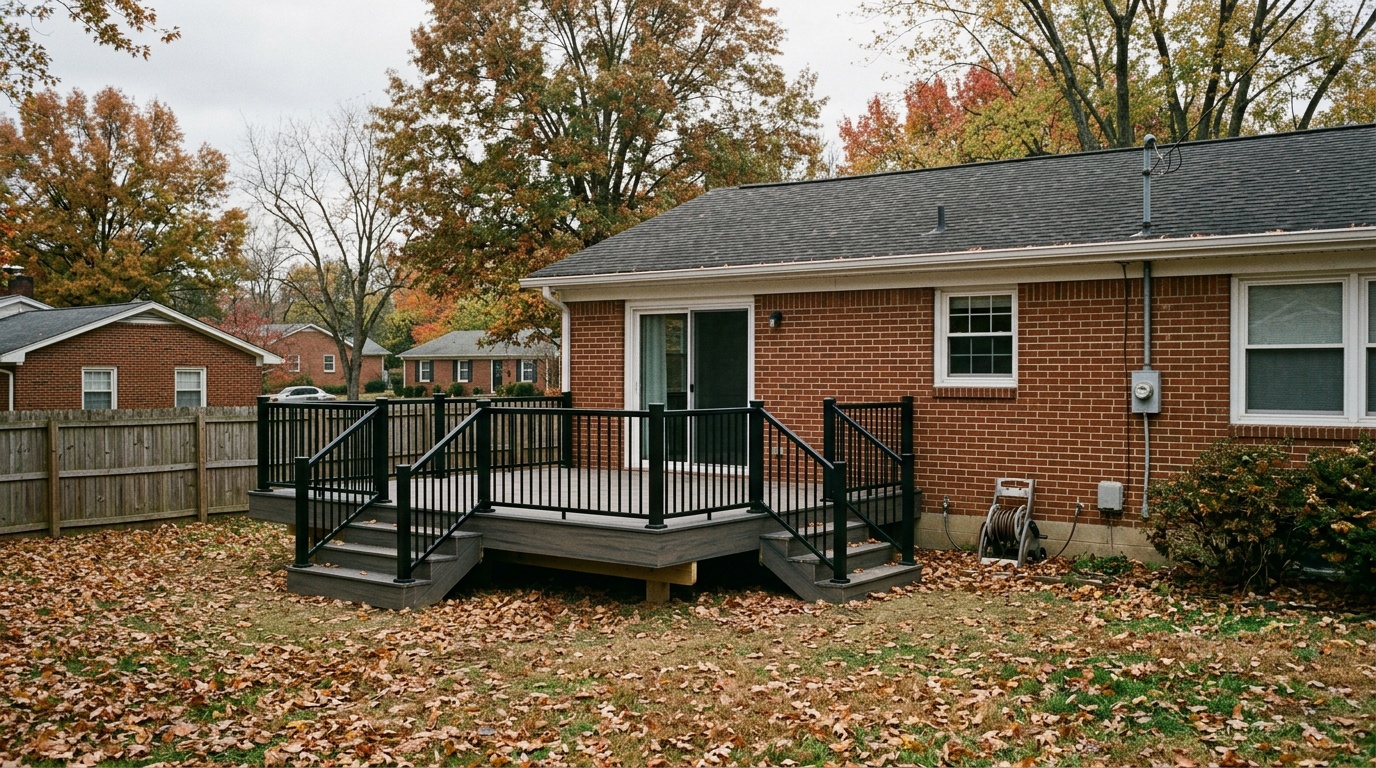
Building or replacing a porch or deck in Kentucky is one of the most valuable exterior upgrades a homeowner can make — but getting it right means understanding the state's weather, local permit requirements, and which materials actually hold up in this climate. In Laurel County and surrounding areas, a poorly built deck or porch can deteriorate quickly thanks to heavy seasonal rainfall, humid summers, and occasional freeze-thaw cycles that stress wood and fasteners alike. Choosing the right materials and working with an experienced local contractor makes the difference between an outdoor space that lasts decades and one that needs expensive repairs within a few years.
Why Does Kentucky's Climate Make Porch and Deck Material Choice So Important?
Kentucky's climate is harder on outdoor structures than many homeowners realize. The combination of wet springs, muggy summers, and cold winters creates a cycle of moisture absorption and drying that accelerates rot, warping, and fastener corrosion in lower-quality materials.
In the London, Kentucky area, average annual rainfall consistently exceeds 50 inches, and humidity stays elevated for much of the year. That moisture works its way into untreated or poorly maintained wood, leading to soft spots, mold, and structural weakening that isn't always obvious until boards start to flex underfoot. Freeze-thaw cycles in late fall and winter compound the problem, expanding trapped moisture inside wood fibers and loosening connections between boards and framing. Selecting materials rated for high-moisture, high-humidity environments is not optional here — it's essential.
What Are the Best Decking Materials for Kentucky Homeowners?
The three most common choices for Kentucky decks and porches are pressure-treated lumber, composite decking, and PVC decking — each with real trade-offs in cost, maintenance, and longevity.
- Pressure-treated lumber remains the most affordable option upfront and is widely available. It holds up reasonably well when properly sealed and maintained, but it does require periodic staining or sealing (typically every 2–3 years) to prevent graying, checking, and rot. In a climate as wet as Laurel County's, skipping that maintenance shortens the lifespan significantly.
- Composite decking blends wood fiber and recycled plastic into boards that resist rot, insects, and moisture far better than natural wood. It costs more to install — generally 20–40% more than pressure-treated lumber for materials alone — but requires very little ongoing maintenance beyond occasional cleaning. Many composite products carry 25-year or longer manufacturer warranties.
- PVC (cellular PVC) decking contains no wood fiber at all, making it the most moisture-resistant option available. It won't rot, splinter, or absorb stains, and it holds up well in freeze-thaw conditions. It carries the highest upfront cost but the lowest long-term maintenance burden.
For porch flooring specifically, many Kentucky homeowners also consider tongue-and-groove pine or hardwood with a solid paint or sealant system. These can look beautiful but demand consistent upkeep in this climate. If low maintenance is a priority, composite or PVC products are usually the smarter long-term investment.
Do You Need a Permit for a Deck or Porch in Laurel County, Kentucky?
In most cases, yes — any attached deck or porch addition in Kentucky will require a building permit, and Laurel County and the City of London both enforce these requirements. Skipping the permit process is a mistake that can create real problems down the road.
Unpermitted structures can complicate home sales, void homeowner's insurance coverage for that structure, and — in a worst-case scenario — result in a requirement to tear down or substantially modify the work at your expense. Permit requirements typically cover structural plans, footing depth (frost line in Kentucky is generally 18–24 inches), load calculations, ledger attachment methods for attached decks, and railing height and spacing. A qualified contractor will pull the necessary permits and schedule required inspections as part of the job. If a contractor tells you a permit isn't needed for an attached deck or elevated structure, treat that as a significant red flag.
How Long Should a Porch or Deck Last in Kentucky?
With proper materials and maintenance, a well-built deck or porch in Kentucky should last 15–30 years or more — but the range varies widely depending on what it's made of and how it's cared for.
Pressure-treated wood decks that are regularly sealed and maintained often reach 15–20 years before needing significant structural work. Composite and PVC decks, when properly installed, routinely last 25–30 years with minimal intervention. The weakest link in most older decks isn't the decking surface itself — it's the framing and ledger board underneath. These structural components are often the first to show rot or corrosion, and they're not always visible without removing surface boards. If you're replacing an older deck in the London or Corbin area, it's worth having a contractor inspect the existing framing before assuming it can be reused.
Signs that a porch or deck may need replacement rather than repair include soft or spongy boards underfoot, visible rot in posts or beams, significant ledger separation from the house, and railings or stairs that feel unstable. Learn more about decks and porches from Pro4mance Roofing & Home Improvements.
Should You Repair or Fully Replace an Aging Porch or Deck?
If damage is limited to a handful of surface boards or a single railing section, targeted repairs often make financial sense. But when structural framing, posts, or the ledger board are compromised, a full replacement typically provides better long-term value.
A useful rule of thumb in the industry: if repair costs would exceed roughly 50% of the cost of a full replacement, replacement is usually the wiser investment — especially if the existing structure was built with materials that are already at or near the end of their service life. Replacing decking boards on top of rotted framing is like putting new shingles over damaged roof decking; you're hiding a problem rather than solving it. While you're evaluating your home's exterior, it's also worth noting that a contractor visiting for a deck inspection can often spot related issues — damaged siding near the ledger board, or gutter drainage problems that are sending water directly toward the deck structure. These kinds of connected issues are common in older homes throughout Laurel County.
Frequently Asked Questions
Can a porch or deck addition affect my homeowner's insurance? Yes — adding a porch or deck increases your home's replacement value, so it's a good idea to notify your insurance company after the project is complete so your coverage reflects the added structure. Unpermitted additions may not be covered at all.
What's the difference between a covered porch and a deck for permit purposes in Kentucky? Both typically require permits when attached to the home, but a covered porch that ties into the roofline may also involve roofing and structural considerations beyond what a standard deck requires. Your contractor should clarify this based on your specific project and local jurisdiction.
Does Pro4mance Roofing & Home Improvements handle both porches and decks? Yes — Pro4mance serves homeowners throughout London, Corbin, and Laurel and Whitley counties for both porch and deck construction and replacement. They focus exclusively on exterior work, so they won't handle interior renovations, but outdoor living structures are well within their scope.
If your existing porch or deck is showing its age — or if you're ready to add outdoor living space to your home — Pro4mance Roofing & Home Improvements is ready to help. The team serves London, Corbin, and the surrounding area with straightforward, honest exterior work. While you're at it, they can also take a look at your roof and gutters at the same time — it's always easier to address multiple exterior needs in one visit. Schedule a Free Inspection today and get a clear picture of what your home actually needs.