
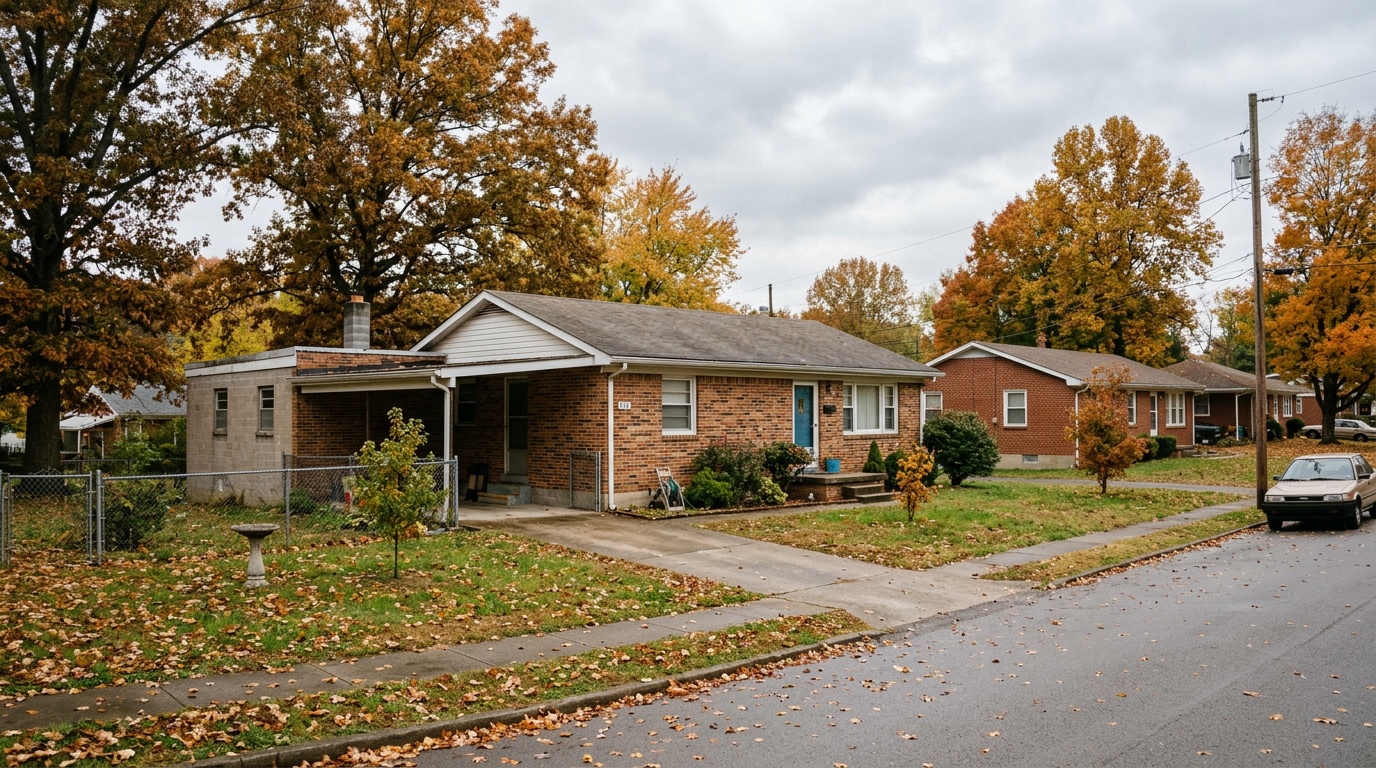
Flat and low-slope roofs are more common on Kentucky homes than many people realize — covering garages, additions, enclosed porches, and sunrooms across Laurel County and beyond. Unlike a steep-pitch asphalt shingle roof, a flat or low-slope roof cannot shed water the same way, which means it demands different materials, different maintenance habits, and a different eye for early warning signs. If you own a home with any section of flat or low-slope roofing, understanding how these systems work — and when something is going wrong — can save you thousands of dollars in water damage repairs.
What exactly is a flat or low-slope roof, and why does it matter?
A flat roof is not perfectly flat — it typically has a slight pitch (usually less than 2 inches of rise per 12 inches of run) to allow water to drain toward gutters or internal drains. Anything with a pitch between 2-in-12 and about 4-in-12 is generally considered low-slope. This distinction matters because standard asphalt shingles are designed for steeper pitches; install them on a flat or low-slope surface and water will pool, seep under the laps, and cause leaks within a few years. Flat and low-slope sections require membrane-based or sealed roofing systems specifically engineered to handle standing water and slower drainage.
Common residential applications in the London, Kentucky area include flat roofs over attached garages, rear additions, carports, and flat-roofed porches. Commercial buildings — churches, retail shops, small office buildings — are also predominantly flat-roofed, which is why the repair and installation process differs significantly from residential steep-slope work.
What are the most common flat roof materials used on Kentucky homes?
Three membrane systems dominate the residential and light-commercial flat roofing market in Kentucky, each with its own trade-offs in cost, durability, and maintenance requirements.
- TPO (Thermoplastic Polyolefin): A single-ply white membrane that reflects heat well, making it a popular energy-efficient choice in Kentucky summers. Seams are heat-welded, which creates a strong bond when installed correctly. Typical lifespan runs 15–25 years with proper maintenance.
- EPDM (Ethylene Propylene Diene Monomer): Often called "rubber roofing," EPDM is a durable, flexible black membrane that handles temperature swings well — an important quality given Kentucky's wide seasonal range. It is one of the longest-established flat roofing materials and can last 20–30 years when maintained.
- Modified Bitumen: A multi-layer asphalt-based system applied in sheets, often torched or self-adhered. It is tough and handles foot traffic better than single-ply membranes, making it a common choice for roofs that require occasional access. Lifespan is generally 15–20 years.
Choosing among these depends on your budget, the size and shape of the roof, and whether energy efficiency is a priority. A qualified roofing contractor can evaluate your specific situation and recommend the right system. You can learn more about the options available to Laurel County homeowners on our flat roofs service page.
Why do flat roofs leak more often than steep roofs — and where do the leaks start?
Flat roofs leak more frequently because water has nowhere to run quickly; any low spot, seam failure, or puncture becomes a potential entry point. The most common sources of flat roof leaks include:
- Seam and lap failures: Where two sections of membrane overlap or where heat-welded seams begin to peel, water finds its way underneath.
- Flashing at walls and penetrations: Every pipe, HVAC unit, skylight, or vent that penetrates a flat roof is a vulnerable point. Flashing must seal tightly to the membrane; when it lifts or cracks, water follows.
- Ponding water: If your flat roof holds standing water for more than 48 hours after a rain, the drainage is insufficient. Ponding accelerates membrane degradation, adds structural load, and increases the risk of leaks dramatically.
- Blistering and cracking: UV exposure and temperature cycles cause some membranes to blister or crack over time, especially if the original installation trapped moisture in the substrate.
- Clogged drains or gutters: A flat roof paired with clogged seamless gutters or internal drains will pond water much faster. Keeping drainage clear is one of the simplest things a homeowner can do.
The tricky thing about flat roof leaks is that water often travels horizontally before dripping through a ceiling, so the visible wet spot indoors may be several feet away from the actual breach. This is one of several reasons a professional inspection is worth scheduling at the first sign of trouble rather than waiting to see if it gets worse.
How should Kentucky homeowners maintain a flat or low-slope roof?
Consistent, simple maintenance dramatically extends the life of a flat roof and keeps small problems from becoming expensive failures. Here is a practical seasonal routine for homeowners in Laurel County and the surrounding area:
- Spring: After winter ice and debris, inspect the membrane surface for blistering, cracking, or lifted seams. Check all flashings around penetrations and at the edges where the roof meets walls. Clear any debris that accumulated over winter.
- Summer: Watch for ponding after heavy rains. Kentucky summers bring intense heat and frequent thunderstorms, both of which stress flat roof systems. If water sits for more than two days, have drainage evaluated.
- Fall: Clear leaves and organic debris before they decompose on the membrane (decomposing debris holds moisture and accelerates surface degradation). Check gutter cleaning needs, since flat roofs often drain into gutters that fill quickly with fall leaves.
- Winter: Heavy snow loads are less common in London, Kentucky than in northern states, but ice accumulation near drains or at low spots can block drainage. Do not use metal scrapers on a membrane roof; a soft-bristle broom is safer if snow removal is needed.
Beyond seasonal checks, a professional inspection every one to two years is the best way to catch seam failures and flashing problems before they become leaks. Early roof repair on a flat roof is almost always far less expensive than addressing the water damage that follows a neglected failure.
When should I replace my flat roof instead of repairing it?
Repair makes sense when damage is localized — a failed seam, a cracked flashing, or a small puncture on an otherwise sound membrane. Replacement becomes the better investment when the membrane is near or past its expected lifespan, when blistering or cracking is widespread, when multiple leaks have developed in different areas, or when moisture has saturated the insulation or decking beneath the membrane. A saturated substrate will continue to cause problems regardless of how well the surface is patched.
If you are unsure whether repair or replacement is the right call, a professional inspection is the most reliable way to get an honest answer. At Pro4mance Roofing & Home Improvements, we serve homeowners throughout London, Corbin, and Laurel and Whitley counties, and we can assess the condition of your flat roof and lay out your options clearly. For larger commercial properties, our commercial roofing team handles flat and low-slope systems on churches, retail buildings, and small businesses as well.
Frequently asked questions
Can I walk on my flat roof to inspect it myself? You can, carefully — flat roofs are generally designed to handle some foot traffic, but avoid walking on an EPDM membrane in very cold weather when it becomes brittle. Stick to the structural areas over joists when possible, wear soft-soled shoes, and do not probe suspected blisters with sharp tools. When in doubt, leave the close-up inspection to a professional.
Does homeowners insurance cover flat roof leaks in Kentucky? It depends on the cause. Sudden storm damage (wind, hail, a fallen limb) is typically covered under a standard homeowners policy. Leaks caused by age, wear, or lack of maintenance are generally excluded. Document any storm events carefully and contact your insurer promptly if you believe storm damage is involved.
How much does it cost to replace a flat roof on a garage or addition in Kentucky? Costs vary considerably by material, roof size, and the condition of the underlying decking. As a general industry range, residential flat roof replacements commonly fall between $5 and $12 per square foot installed, though your specific quote will depend on site conditions. See our roof replacement cost guide for more context on how Kentucky pricing is structured.
If your home has a flat or low-slope roof section that you have not had inspected recently — or if you have noticed water stains, blistering, or ponding after rain — do not wait for the problem to reach the ceiling. Schedule a Free Inspection with Pro4mance Roofing & Home Improvements and get a clear, honest assessment of what your roof needs.