Roof ventilation problems are one of the most overlooked — and most damaging — issues a Kentucky homeowner can face. While most people focus on missing shingles or storm damage they can see from the driveway, poor roof ventilation quietly destroys decking, spikes energy bills, and shortens the life of an otherwise healthy roof. Understanding how your roof ventilation system works, and knowing when something has gone wrong, can save you thousands of dollars in repairs down the road.
What Is Roof Ventilation and Why Does It Matter in Kentucky?
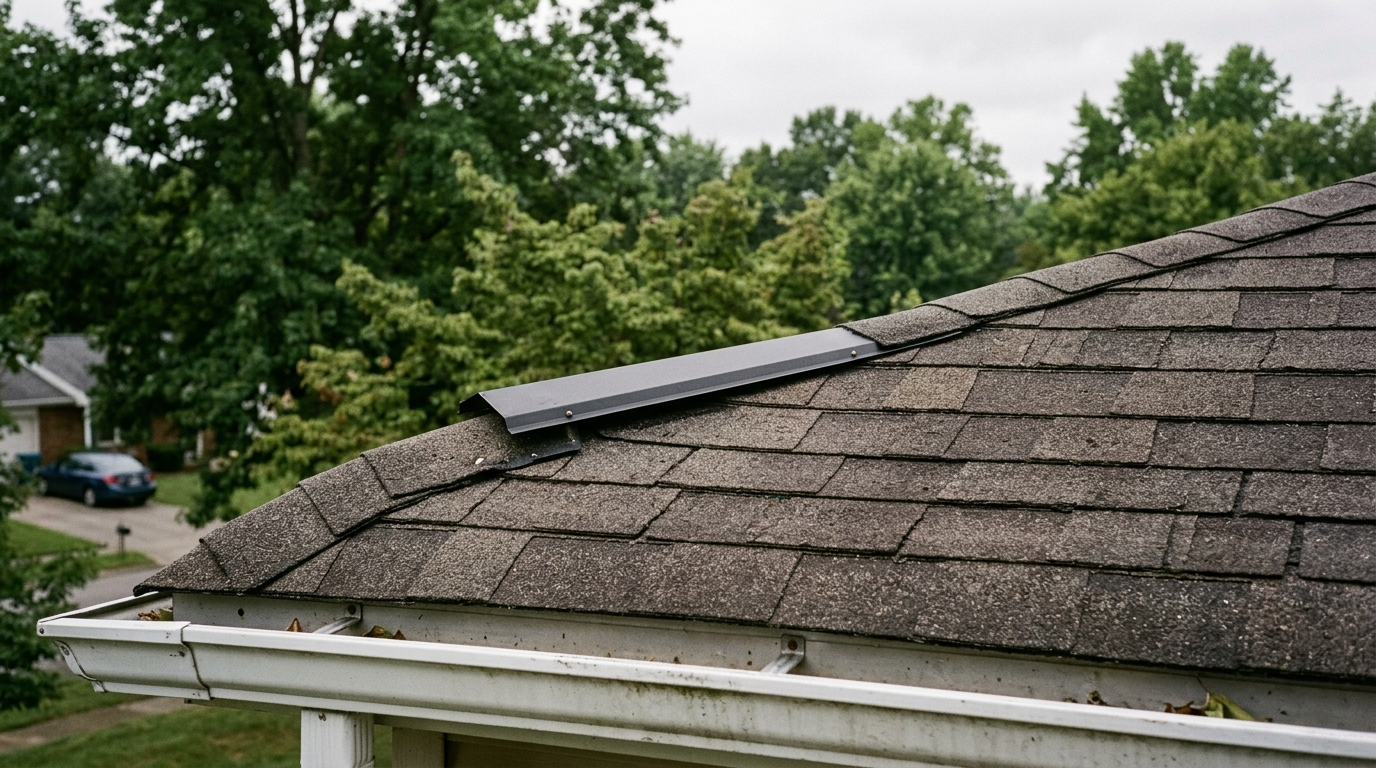
A properly ventilated roof works like a breathing system. Cool, fresh air enters through intake vents — usually located along the soffit (the underside of your roof's overhang) — and warm, moist air escapes through exhaust vents near the ridge at the peak of the roof. This continuous airflow keeps your attic at a stable temperature and prevents moisture from building up inside.
In Kentucky, this balance is especially critical. Summers bring intense heat and humidity, while winters can deliver ice, snow, and freezing temperatures. Without adequate ventilation, your attic becomes a problem factory in every season:
- Summer: Trapped heat in an unventilated attic can reach 150°F or higher, which degrades shingles from the inside out, accelerates adhesive failure, and forces your air conditioning system to work harder.
- Winter: Warm air rising from your living space meets the cold underside of your roof deck. Without ventilation to exhaust that warm air, moisture condenses on the wood — leading to rot, mold, and weakened structural integrity. It also creates the conditions for ice dams along your eaves.
The bottom line: even a well-installed roof with quality shingles will fail prematurely if the ventilation underneath it isn't right.
Warning Signs of Roof Ventilation Problems Kentucky Homeowners Shouldn't Ignore
The tricky part about roof ventilation problems is that many of the symptoms appear inside your home long before you see any damage on the roof itself. Here's what to watch for:
- Attic moisture or condensation: If you peek into your attic and see water stains, frost on the rafters in winter, or a musty smell, your attic isn't breathing properly.
- Mold or mildew growth: Persistent moisture creates ideal conditions for mold. If mold is appearing on attic insulation or wood framing, ventilation is almost always a contributing factor.
- Ice dams in winter: Ice dams form when heat escapes unevenly through the roof, melting snow that then refreezes at the cold eaves. They're a classic sign of a ventilation imbalance combined with poor insulation.
- Shingles that curl, blister, or age too quickly: Excessive attic heat bakes shingles from underneath. If your roof is less than 15 years old but looks much older, heat buildup from poor ventilation may be to blame.
- High energy bills: An overheated attic in summer radiates heat down into your living space, making your HVAC system work overtime.
- Sagging or soft roof decking: If the plywood sheathing beneath your shingles has absorbed moisture over time due to poor ventilation, it can begin to sag or feel spongy when walked on.
Any one of these signs is worth taking seriously. More than one appearing together is a strong signal that your roof ventilation system needs professional attention.
Common Roof Ventilation Mistakes That Create Big Problems
Many ventilation problems in Kentucky homes aren't the result of neglect — they're the result of well-intentioned but incorrect installations. A few of the most common mistakes include:
- Mixing exhaust vent types: Installing both ridge vents and box vents (also called turtle vents) on the same roof actually short-circuits the ventilation system. Air exits through the path of least resistance — usually the lower box vents — meaning the ridge vent draws air in rather than exhausting it. This is a surprisingly common error left behind by less experienced contractors.
- Blocked soffit vents: If blown-in insulation has been added to the attic floor without proper baffles installed along the eaves, that insulation can completely block the soffit intake vents. No intake means no airflow, no matter how good the exhaust vents are.
- Insufficient vent area: Building codes require a minimum ratio of net free ventilation area to attic floor space — typically 1:150 or 1:300 depending on the setup. Many older Kentucky homes simply don't have enough vent area to handle modern energy standards.
- Bath or kitchen fans vented into the attic: This is not technically a roofing error, but it's devastatingly common. If a bathroom exhaust fan dumps warm, moist air directly into your attic instead of outside, it overwhelms even a well-designed ventilation system.
These aren't problems a homeowner can easily spot or fix without getting into the attic and understanding what a proper system looks like. That's exactly why professional inspections matter.
When to Call a Roofing Pro for Roof Ventilation Issues in Kentucky
Some roof maintenance tasks are reasonable DIY projects — cleaning gutters, clearing debris off the roof after a storm, replacing a single cracked shingle. Roof ventilation is not in that category. Diagnosing and correcting ventilation problems requires an understanding of your specific attic geometry, insulation levels, existing vent placement, and local climate conditions.
You should call a licensed roofing contractor if:
- You've noticed any of the warning signs listed above — especially mold, moisture, or sagging decking.
- Your home is more than 20 years old and has never had a ventilation assessment.
- You've recently added insulation to your attic and aren't sure whether baffles were installed at the eaves.
- You're planning a roof replacement and want to make sure the new system is installed over a properly ventilated deck — because a new roof over a bad ventilation setup will fail faster than it should.
- You experienced an ice dam last winter and want to understand whether ventilation was a contributing factor.
A qualified roofer will assess your intake and exhaust balance, check for obstructions, evaluate your insulation setup, and recommend solutions that are appropriate for your specific home. In some cases, the fix is as simple as clearing blocked soffit vents or adding a ridge vent. In others, a more comprehensive redesign of the ventilation system is needed.
What you don't want to do is ignore the problem. Moisture damage to roof decking, structural framing, and attic insulation is expensive to remediate — far more expensive than addressing a ventilation issue early. And if that damage is tied to a ventilation defect that predates a storm, it can also complicate insurance claims for any related roof damage.
If you're not sure whether your Kentucky home's roof is ventilating properly, the safest step is a professional eye on the problem before it becomes a costly repair. Schedule a Free Inspection with Pro4mance Roofing & Home Improvements today, and let our team evaluate your roof ventilation, identify any risks, and give you a clear, honest picture of what your home needs.