Energy-efficient roofing in Kentucky is more than a buzzword — it's a practical investment that can meaningfully reduce your monthly utility bills, improve indoor comfort, and extend the life of your roof. With Kentucky summers pushing temperatures into the 90s and winters that can dip well below freezing, your roof works harder than most homeowners realize. Choosing the right materials and ensuring proper insulation can make a real difference in how much energy your home consumes year-round.
Why Energy-Efficient Roofing Matters for Kentucky Homeowners
Kentucky's climate is classified as humid subtropical in the south and humid continental in the north, which means your home faces a wide range of temperature extremes. During summer, a dark, poorly insulated roof can absorb enormous amounts of solar heat, pushing that heat down into your attic and living spaces. Your air conditioner then works overtime to compensate — and you pay for it every month on your electric bill.
According to the U.S. Department of Energy, a well-designed roof system — meaning the right roofing material paired with adequate attic insulation and ventilation — can reduce cooling energy use by 10 to 15 percent. For a typical Kentucky home running central air conditioning from May through September, that adds up to real savings over time. It also reduces wear on your HVAC system, which means fewer repair calls and a longer lifespan for that equipment too.
Beyond the cost savings, an energy-efficient roof simply makes your home more comfortable. Rooms that feel stuffy or overly warm in summer are often suffering from an underperforming roof assembly above them.
Energy-Efficient Roofing Materials Worth Considering in Kentucky
Not all roofing materials perform the same way when it comes to energy efficiency. Here's a look at the most common options and how they stack up for Kentucky homes.
- Cool-Roof Asphalt Shingles: Standard asphalt shingles are the most common roofing material in Kentucky, but not all shingles are created equal. Many manufacturers now offer "cool roof" rated shingles that use reflective granules to bounce solar radiation away from the surface. These shingles carry an ENERGY STAR certification and can reflect significantly more sunlight than standard dark shingles. If you're already happy with asphalt and aren't ready to switch materials, upgrading to a cool-roof shingle at your next replacement is a straightforward win.
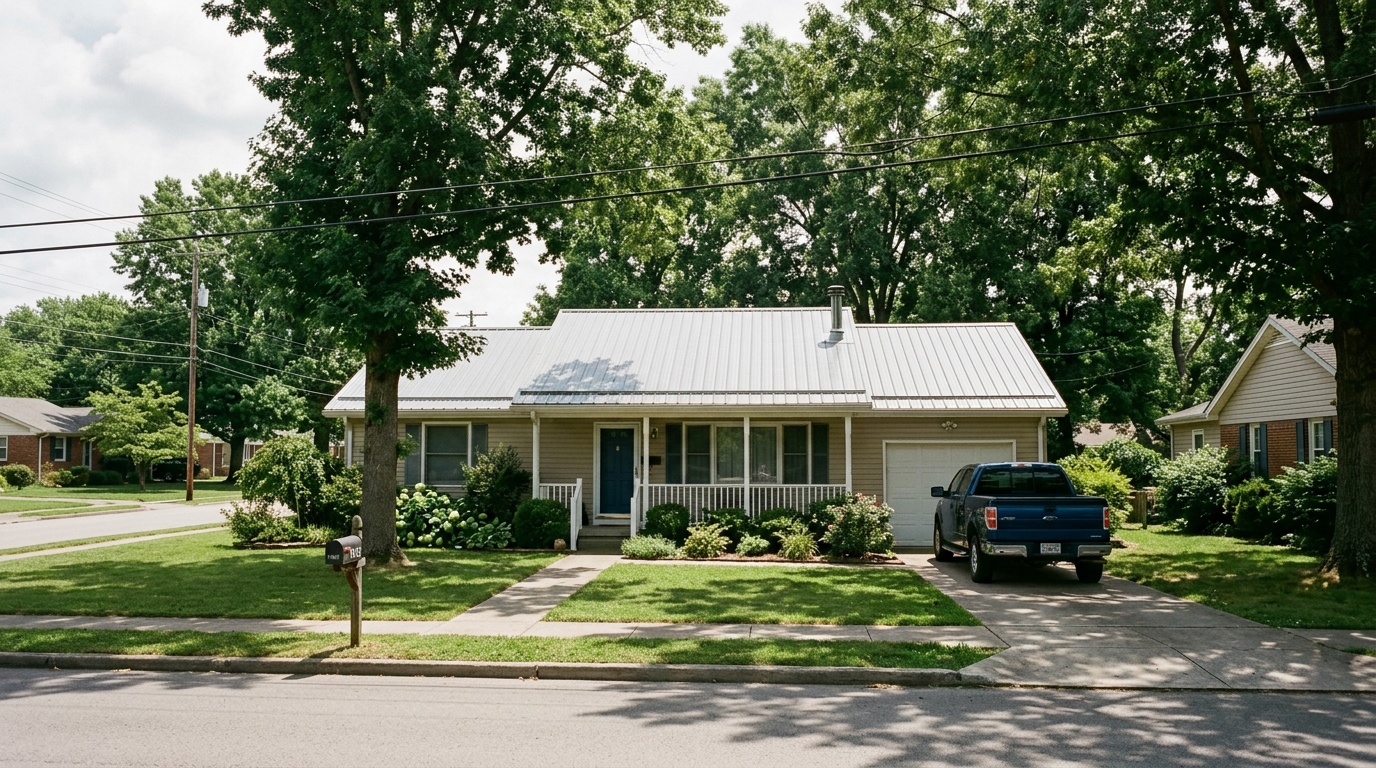
- Metal Roofing: Metal roofs — whether standing seam or metal shingles — have excellent energy-efficiency credentials. They naturally reflect a large portion of solar heat, and many are available with special reflective coatings that amplify that effect. Metal roofs are also highly durable, with lifespans of 40 to 70 years, which means you're spreading the cost over decades. In a state like Kentucky that sees hail, high winds, and ice storms, the durability factor is an added bonus.
- Tile and Concrete Roofing: Clay or concrete tiles create a natural air gap between the tile and the roof deck, which acts as a thermal buffer and reduces heat transfer into the attic. While less common in Kentucky than in warmer states, they're a legitimate option for homeowners looking for maximum efficiency and a distinctive look.
- Architectural vs. 3-Tab Shingles: If you're replacing an aging 3-tab shingle roof, upgrading to architectural (dimensional) shingles with a cool-roof rating gives you better wind and impact resistance alongside improved energy performance — a practical all-around upgrade for most Kentucky homes.
The Role of Attic Insulation and Ventilation
Here's something many homeowners don't realize: the roofing material itself is only part of the energy-efficiency equation. Your attic insulation and ventilation system do just as much — or more — to determine how much heat enters your living space.
The recommended insulation level for attics in Kentucky falls in the R-49 to R-60 range, according to the Department of Energy's climate zone guidelines for Zone 4 (which covers most of the state). Many older Kentucky homes fall well short of that, with aging fiberglass batts that have compressed and lost their insulating value over the years.
Proper attic ventilation works hand-in-hand with insulation. A well-ventilated attic allows hot air to escape in summer and prevents moisture buildup in winter — both of which protect your roof deck, rafters, and shingles from premature deterioration. Ridge vents paired with soffit vents create a continuous airflow path that keeps attic temperatures more stable year-round. If your attic runs significantly hotter than the outside air temperature on a summer day, that's a sign your ventilation is inadequate.
When Pro4mance Roofing & Home Improvements inspects a roof, we always assess the attic ventilation as part of the overall picture. A new roof installed over a poorly ventilated attic will age faster and deliver worse energy performance than one installed correctly from the start.
Energy-Efficient Roofing and Kentucky Storm Damage: A Smart Combination
Many Kentucky homeowners first start thinking about their roof after a storm event — a hailstorm, a windstorm, or an ice event that causes visible damage. If you're already facing a roof repair or replacement due to storm damage, that's actually an ideal time to upgrade your energy efficiency at the same time.
When an insurance claim covers your roof replacement, you're typically entitled to a like-for-like replacement of your existing material. However, the difference in cost between a standard shingle and a cool-roof rated or impact-resistant shingle is often modest — and sometimes the upgrade pays for itself through discounts your insurance carrier may offer for impact-resistant materials. Many Kentucky insurers provide premium reductions for roofs installed with Class 3 or Class 4 impact-resistant shingles, which frequently overlap with energy-efficient product lines.
It's worth asking your contractor to walk you through both options and get your insurance adjuster's guidance on what's covered. A reputable contractor will help you understand your choices without pressuring you toward the most expensive option.
- Ask specifically about ENERGY STAR certified shingles or metal roofing options.
- Request information on Class 3 or Class 4 impact-resistant ratings, which may qualify for insurance discounts.
- Have your attic insulation and ventilation assessed at the same time as your roof inspection.
- Check for any available state or federal energy-efficiency tax credits, which can offset upgrade costs.
How to Know If Your Roof Is Costing You Money on Energy Bills
There are a few practical signs that your roof and attic assembly may be underperforming from an energy standpoint. Watch for rooms on the top floor of your home that are noticeably warmer than the rest of the house in summer. Check your utility bills — if your cooling costs spike sharply each June, that's worth investigating. Ice dams forming at your roofline in winter are a classic sign that heat is escaping unevenly through your roof deck, pointing to insulation or ventilation problems. And if your roof is more than 15 to 20 years old and made of standard asphalt shingles, the granules that provide UV and thermal protection have likely worn down significantly.
None of these problems are unusual in Kentucky homes, especially in neighborhoods built before energy efficiency became a standard part of construction. The good news is that a roof replacement or targeted attic upgrade can address most of them in a single project.
If you're unsure where your home stands, the best first step is a professional roof and attic inspection. Our team at Pro4mance Roofing & Home Improvements serves homeowners across Kentucky with honest, no-pressure assessments — we'll tell you exactly what we find and what your options are. Schedule a Free Inspection today and find out whether your roof is working for you or against you.